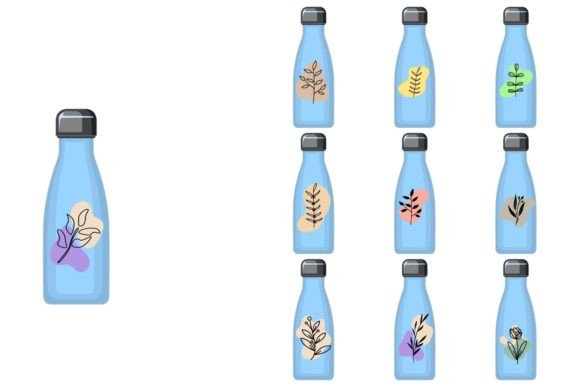
Tumbler Bottle Design
First Impressions: Clean, Friendly, and Ready for Real Fabric
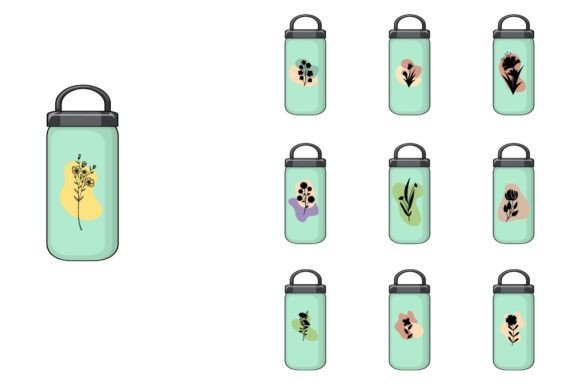
When I opened the Tumbler Bottle Design, my first thought wasn’t “cute” or “trendy”—it was “this will stitch cleanly.” That’s rare. The layout is balanced, with clear negative space around the central tumbler shape, and the line weight feels intentional—not too thin to vanish in fill stitch, not so bold it overwhelms a small hoop. It reads as cheerful but grounded: think artisan coffee shop, not cartoon mascot. As an embroidery designer who’s stitched hundreds of beverage-themed motifs—from mugs to latte art—I appreciate how this avoids visual clutter. There’s no excessive shading, no micro-details that’ll blur under thread, and no tiny disconnected elements that risk popping loose after washing. It’s built for real-world wear, not just screen appeal.
A Real Project Test: Embroidering It on a Linen-Cotton Tote Bag
Last week, I used the Tumbler Bottle Design on a natural linen-cotton blend tote for a local café’s staff gift set. Why that combo? Linen has texture, cotton adds stability, and totes get handled—hard. I hooped medium-weight cutaway stabilizer, chose matte polyester thread in warm charcoal and cream, and ran a test on scrap first. The design held up beautifully: satin-stitched curves stayed smooth, fill areas laid flat without puckering, and the clean outline gave crisp definition even at 3.5 inches wide. Customers noticed it immediately—not because it shouted, but because it looked *intentional*. That matters. When you’re selling handmade products or boutique merchandise, perceived care equals perceived value. This design supports that.
Where It Shines (and Where to Pause)
The Tumbler Bottle Design works especially well for:
- Custom apparel—sweatshirts, crewnecks, and relaxed-fit tees where simplicity reads as premium
- Embroidered patches—its self-contained shape and moderate detail level make it ideal for iron-on or sew-on applications
- Baby embroidery—gentle theme, no sharp edges or complex gradients, perfect for onesies or burp cloths
- Holiday or wedding gifts—pair it with monogrammed initials on tea towels or pillow covers for a cohesive, personal touch
- Craft business branding—use it subtly on aprons or shop tags to reinforce identity without overwhelming
But be thoughtful with placement and fabric choice. On stretchy fabric like jersey knits, use tear-away + topping to keep lines from distorting. On dark fabric, confirm thread contrast holds up—test in black-and-white mockups first. Avoid cramming it into hoops smaller than 4x4 inches unless you’ve verified stitch density won’t cause crowding. And while it’s labeled as Illustrations, remember: this is a digital embroidery file, not a print-ready graphic. Its strength lies in translation to thread—not pixels.
What This Design Says About Your Finished Product
Customers don’t buy embroidery files. They buy confidence—in your skill, your taste, and the durability of what they’re holding. The Tumbler Bottle Design quietly reinforces all three. Its clarity builds trust: no guessing whether the lid detail will resolve, no worrying about stray stitches catching on a baby’s cheek. When stitched well, it elevates a plain sweatshirt into a curated piece. On an Etsy listing, it helps your photos look cohesive and professional—especially when paired with clean printable mockups. For small shop owners, that consistency across products (tote + towel + cap) strengthens brand recognition faster than any logo splash.
Practical Designer Notes Before You Stitch
Before using the Tumbler Bottle Design in client work, a craft fair booth, or your next Etsy drop:
- Run a test on scrap fabric matching your final project’s weight and stretch
- Check thread color contrast against both light and dark backgrounds—you’ll likely need at least two solid options
- Review stitch density in your embroidery software; if fill areas feel heavy, consider reducing density by 5–10% for breathable fabrics
- Confirm hoop size compatibility—this isn’t a 1-inch pocket design, so plan placement accordingly
- Inspect corners and curves at 200% zoom: are there any overlapping vectors or tiny gaps that could cause stitching errors?
- Use appropriate stabilizer—cutaway for knits, tear-away for stable wovens, and always add topping for textured surfaces like terry cloth or burlap
- Verify licensing terms before selling finished items or bundling the file—this is a Graphics asset, but commercial use rights aren’t implied by format alone
And one more thing: don’t skip the black-and-white mockup step. It reveals how legible the design stays when color isn’t doing the lifting—critical for personalized gifts or monochrome branding.
Final Thought: A Quietly Capable Design Asset
The Tumbler Bottle Design won’t go viral on Pinterest—but it will sell steadily on Etsy, hold up through dozens of washes on a nursery blanket, and earn compliments on a barista’s apron. It’s the kind of embroidery file that makes your craft business run smoother: predictable to stitch, versatile across products, and respectful of both your time and your customer’s expectations. If you’re curating design assets for custom apparel, embroidered patches, holiday embroidery, or small shop merchandise, this is the calm, capable addition your library needs—not flash, but function, with quiet charm baked in.