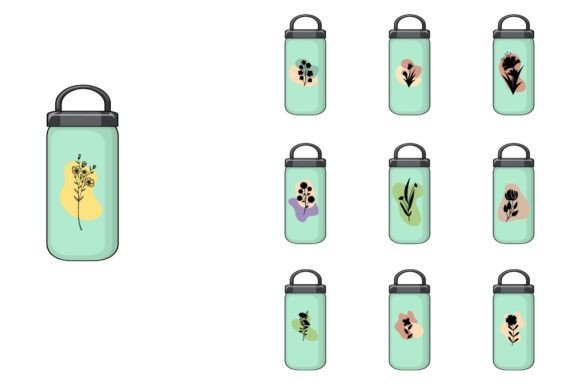
Cozy Tea Cup. Ceramic Home Mug Icon
A Warm, Quiet Moment—Woven in Thread
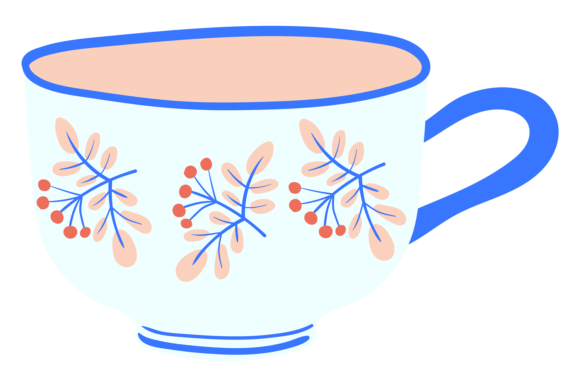
First glance at Cozy Tea Cup. Ceramic Home Mug Icon feels like stepping into a sunlit kitchen on a slow Sunday morning—soft edges, gentle curves, and that unmistakable ceramic weight implied in its silhouette. It’s not flashy or stylized; it’s quietly confident in its simplicity. As an illustrator and embroidery designer who’s stitched hundreds of icons for client projects—from boutique tea towel lines to personalized baby onesies—I immediately read this as a *handmade-friendly* illustration. The clean outline, balanced negative space, and absence of micro-details mean it translates well from screen to stitch without fighting the machine.
Where This Design Lives Best (and Why)
I recently used Cozy Tea Cup. Ceramic Home Mug Icon as the centerpiece for a custom embroidered linen tote bag—part of a small-batch launch for a local café collaboration. It worked beautifully: centered just below the top seam, sized to 3.2" wide, with soft ecru thread on oat-colored fabric. Customers responded instantly—not just to the image, but to how *real* it felt. That’s the quiet strength of this design: it reads as warm, approachable, and authentically handmade—not generic clip art.
It shines on:
- Tote bags and tea towels—where its clean shape holds up at medium scale and complements natural textures
- Sweatshirts and crewneck tees—especially for lifestyle brands, gift shops, or wellness-focused Etsy sellers
- Aprons and pillow covers—its domestic charm aligns perfectly with kitchen and home décor
- Baby items and nursery decor—the rounded form feels safe and soothing, ideal for onesies or muslin blankets
- Patches and caps—when resized thoughtfully (more on that below), it carries warmth without visual clutter
Real Embroidery Considerations—Not Just “Looks Nice”
Here’s what I watched closely during testing:
- Stitch density matters. This isn’t a dense fill-stitch icon—it’s built for clarity, not coverage. On lightweight cotton or rayon blends, I added light tear-away stabilizer beneath and switched to a 60-weight thread for crispness. Too much density would mute its cozy softness; too little would lose definition on textured fabrics like terry cloth or looped linen.
- Curved surfaces need caution. On a curved cap front, I reduced the size to 2.4" and avoided placing it near the bill seam—where puckering can distort the mug’s gentle rim. A flat, stable surface (like a tote or pillow cover) is its natural habitat.
- Dark fabric demands contrast checks. I ran black thread on navy twill and found the outline held—but only because the icon’s line weight is generous enough to register. For very dark or heavily napped fabrics, test satin stitch over running stitch for cleaner edges.
- Small hoop sizes? Resize wisely. Below 2", subtle details like the subtle steam curl or handle curve begin to blur. I’d reserve anything under 2" for simple applique designs—not this one. Stick to 2.5" minimum for clear recognition.
What This Design Adds to Your Finished Product
Cozy Tea Cup. Ceramic Home Mug Icon doesn’t shout—it invites. That makes it unusually effective for products where emotional resonance matters more than bold branding: holiday gifts for teachers, wedding favors for coffee-loving couples, or personalized mugs paired with embroidered napkins. Buyers don’t just see a mug—they recognize comfort, ritual, care. That lifts perceived value, especially in handmade product listings on Etsy or craft fairs.
For small shop owners and digital product sellers, it also supports consistency: use it across printable mockups, social posts, and physical goods without visual whiplash. Its isolation on white background (as noted in the Illustrations category) means you can drop it cleanly into branding kits, packaging labels, or digital embroidery previews—no wrestling with backgrounds or clipping masks.
Practical Designer Notes—Before You Stitch
Before adding Cozy Tea Cup. Ceramic Home Mug Icon to your next project, do these five things:
- Test on scrap fabric first—especially if using textured, stretchy, or dark material. Watch how the curves stitch out, not just how they look on screen.
- Check thread color contrast in both natural and artificial light. A warm taupe works beautifully on cream, but may disappear on beige linen.
- Review stitch order in your embroidery software—if it’s a single-layer design (not an applique), confirm no unnecessary jump stitches disrupt the flow.
- Use proper stabilizer: cut-away for knits, tear-away for stable wovens, and optional topping for napped fabrics.
- Verify licensing before selling finished items or bundling it into digital embroidery files. Since it’s listed as a Graphics asset with EPS, JPG, SVG, and transparent PNG formats, confirm whether commercial use is included—don’t assume.
Final Thought: A Design That Serves the Maker
This isn’t a “trendy” icon designed for virality—it’s a thoughtful, grounded Illustrations asset built for longevity. It fits naturally into embroidery projects where authenticity matters more than novelty: a grandmother’s hand-stitched tea towel, a small-batch apparel line celebrating daily rituals, or a craft fair booth full of tactile, intentional goods. When your customer runs their fingers over the satin-stitched rim of the mug and smiles, that’s when you know the design did its job—not as decoration, but as connection.
If you’re choosing between dozens of mug icons for your next embroidery project, let Cozy Tea Cup. Ceramic Home Mug Icon be the one that feels like coming home.