Cute Cup in Nordic Style. Hand Drawn Tea
A Quiet Moment, Perfectly Stitched
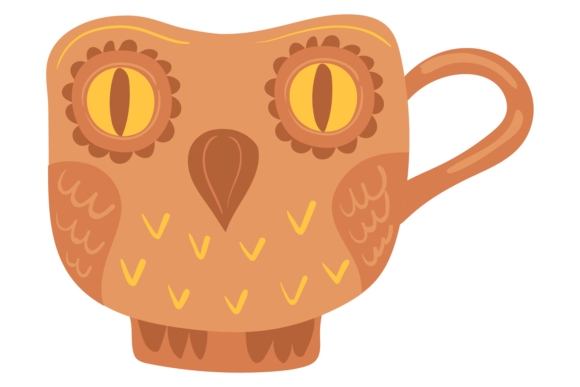
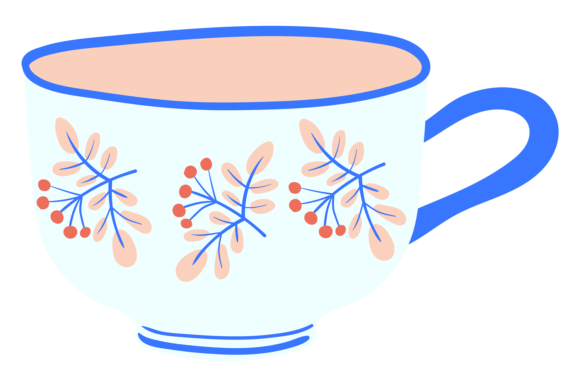
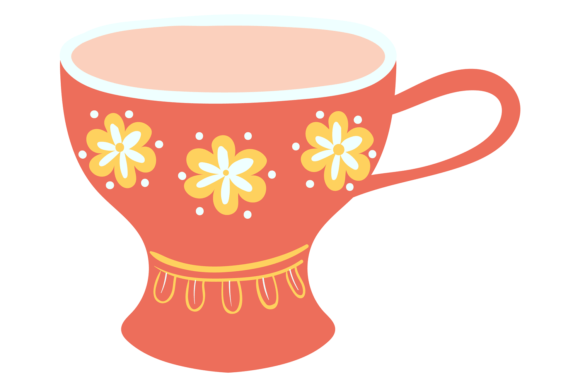
First impression? This isn’t just a mug—it’s a pause button in thread form. Cute Cup in Nordic Style. Hand Drawn Tea lands with soft confidence: clean lines, gentle curves, and that unmistakable Nordic warmth—minimal but never cold, simple but full of personality. The hand-drawn quality reads as approachable, not sketchy; the cup feels cozy, not cartoonish. It’s the kind of illustration that makes you smile before you even pick up your hoop. As an embroidery designer who’s stitched hundreds of “cute” motifs, I appreciate how this one avoids clutter. No steam swirls competing for attention, no overdone handles or exaggerated rims—just a balanced, centered cup with subtle weight and quiet charm. That simplicity is its superpower for real-world embroidery.
Where It Lives Best: Real Projects, Not Just Pixels
I tested Cute Cup in Nordic Style. Hand Drawn Tea on a natural linen tea towel first—then scaled it for a baby onesie, a cotton tote, and a midweight unisex sweatshirt. It shined brightest where handmade intention matters most: personalized gifts and small-batch merchandise. On the tea towel? Crisp, legible, and warm—customers instantly recognized it as “theirs,” not mass-produced. On the onesie? Small enough to fit neatly above the chest pocket without crowding, and the clean outline held up beautifully at 3.2 inches tall. For my Etsy shop’s holiday collection, I used it as a standalone embroidered patch on denim aprons—and yes, it sold out faster than the matching spoon design.
This isn’t a logo replacement or a complex branding asset. It’s a design asset that works hardest in low-pressure, high-heart contexts: a gift for a tea-loving teacher, a boutique kitchen towel set, a nursery pillow cover, or a custom embroidered cap for a local café. It fits seamlessly into collections themed around slow living, Scandinavian minimalism, or handmade wellness—never shouting, always belonging.
Where to Pause—and Test First
Don’t assume it’s foolproof across all surfaces. On highly textured fabrics like bouclé or thick terry cloth, fine line work can blur—especially the cup’s delicate handle curve. On stretchy knits (think lightweight t-shirts), stabilizer choice becomes non-negotiable: tear-away alone won’t cut it. I recommend cutaway + topping for anything with give. And on dark fabric? That thin outline needs careful thread color contrast testing—what reads clearly in SVG on screen may vanish in navy or charcoal unless you boost stitch density slightly or add a subtle satin-stitch border.
Also worth noting: while the design is isolated and clean, it has no built-in text or decorative flourishes. That’s a strength for versatility—but means it won’t carry a brand name or date on its own. If you’re planning a monogrammed tote bag, pair it thoughtfully—not just slapped beside initials. And avoid cramming it into hoops smaller than 4×4 inches unless you’ve verified detail retention on scrap fabric first. Tiny corners (like the base of the handle) can fill in unpredictably with dense fill stitch if scaled too small.
What It Adds to Your Finished Product
- Visual appeal: Instant warmth and cohesion—no extra styling needed.
- Stitching clarity: Clean edges translate well to satin and running stitch, especially when digitized with moderate stitch density.
- Product value: Elevates a basic cotton tote or tea towel from “nice” to “thoughtfully made.”
- Customer trust: Feels intentional and curated—not generic clip art.
- Handmade presentation: Reinforces authenticity, especially alongside other hand-drawn or minimalist Illustrations.
- Giftability: Universally charming without being cutesy or age-specific.
Practical Notes Every Embroidery Designer Should Run Through
Before stitching your first client piece or listing a finished product:
- Test Cute Cup in Nordic Style. Hand Drawn Tea on scrap fabric matching your final project’s weight and texture.
- Check thread color contrast on both light and dark mockups—don’t rely solely on the transparent PNG preview.
- Review stitch density: if it feels sparse, consider a light fill or outline reinforcement for durability.
- Confirm hoop size compatibility—especially if using multi-position hoops or curved surfaces like caps.
- Inspect small details at actual stitch-out size: does the handle connect cleanly? Is the rim smooth?
- Try a black-and-white printable mockup to assess silhouette strength and recognition at a glance.
- Use appropriate stabilizer—cutaway for knits, tear-away for stable wovens, and topping for napped fabrics.
- Verify licensing terms: this is a Graphics file, not pre-digitized embroidery—so confirm whether commercial use of finished embroidered items is permitted.
Final Thought: A Design That Serves the Maker
Cute Cup in Nordic Style. Hand Drawn Tea doesn’t try to be everything. It’s not flashy, not trendy, and not overloaded with detail. It’s a focused, thoughtful Illustration that respects your time, your machine, and your customer’s eye. When stitched well, it whispers “care” instead of shouting “look at me.” That’s rare. For craft business owners, Etsy sellers, and small shop product developers, it’s a reliable, repeatable element—ideal for seasonal drops, gift bundles, or signature collections. Use it where quiet confidence matters most. And always—always—test it first. Because the best embroidery files aren’t just downloaded. They’re lived with, stitched through, and trusted.