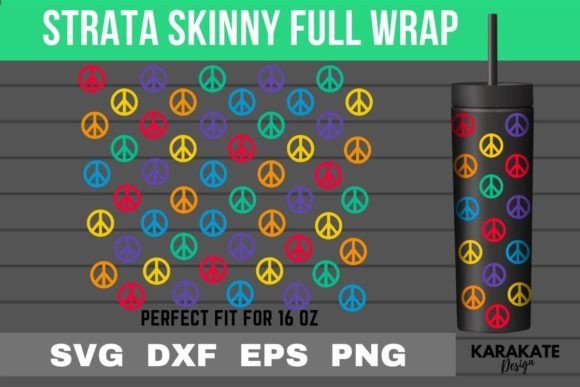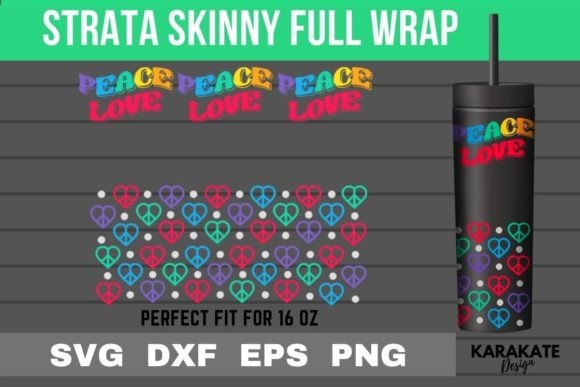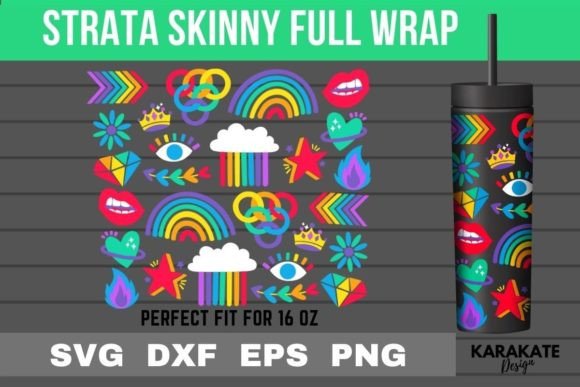
Pride Thing 16 Oz Strata Skinny Wrap SVG
As someone who’s stitched hundreds of designs across apparel, home goods, and boutique merchandise, I opened the Pride Thing 16 Oz Strata Skinny Wrap SVG expecting something bold but wearable—and it delivered. This isn’t a sprawling rainbow banner or an intricate floral motif. It’s lean, rhythmic, and quietly confident: a stylized “Pride Thing” phrase wrapped tightly around a subtle strata-inspired curve, with clean line weight and intentional negative space. The “16 Oz” reference feels like a nod to craft materiality—cotton canvas, denim, heavyweight tees—not just digital flair. It reads as both celebratory and grounded, which is exactly what makes it work for real embroidery projects.
Last week, I prepped this design for a custom order: a set of three linen tote bags for a local LGBTQ+ community center’s pride month fundraiser. The client wanted something recognizable but not cliché—no rainbows-as-backdrops, no overused slogans. They needed cohesion across products, brand-aligned warmth, and stitchability on mid-weight fabric without excessive stabilizer. That’s where the Pride Thing 16 Oz Strata Skinny Wrap SVG earned its place. Its horizontal flow fits naturally along the top third of a tote handle seam; its skinny wrap shape avoids awkward stretching on curved surfaces like cap fronts or apron pockets; and its consistent stroke width translates cleanly into satin stitch without collapsing in tight corners.
This design shines brightest on structured, medium-to-heavyweight fabrics: canvas totes, cotton sweatshirts, denim jackets, tea towels, and pillow covers. On a soft fleece-lined hoodie? It holds up—no feathering or thread nesting if you use light cutaway stabilizer and moderate stitch density. On baby onesies? Proceed with caution: the letterforms are narrow and connected, so under 3.5" wide, fine details may blur unless digitized carefully (more on that in a moment). As a machine embroidery design, it’s best approached as a *clean outline-based layout*—not dense fill-stitch art. Think running stitch borders, satin-stitched letters with crisp edges, and minimal interior detail. That makes it forgiving for small hoop sizes (4x4" works well), but avoid pushing it below 3" total width unless you’ve tested first.
Where it stumbles—gently, but notably—is on highly textured or stretchy substrates. On terry cloth towels or ribbed knit caps, the thin lines can visually “sink” between loops or distort slightly on seams. Dark fabric demands thoughtful thread color choice: white or metallic silver pops, but pale pastels risk low contrast. And while the SVG file gives you full vector flexibility, remember—this is a *graphics*-class file, not a pre-digitized embroidery file. You’ll need to convert it properly for your machine, adjusting stitch direction, underlay, and pull compensation based on fabric type. Don’t skip that step, especially for commercial embroidery or Etsy seller batches.
I ran a quick test on a scrap of organic cotton twill—same weight as our final tote bags—and used two thread colors: deep navy and warm terracotta. Both read clearly, but the terracotta added unexpected warmth, reinforcing the handmade product feel. That’s part of what elevates this beyond generic clipart: it invites thoughtful color storytelling. For holiday embroidery or wedding gifts (think: embroidered kitchen towels for newlyweds), swapping to sage green or dusty rose keeps it inclusive and seasonally adaptable. For small shop product consistency, pair it with minimalist icons—single-line hearts, abstract hands, or simple geometric shapes—to build a cohesive design system without visual clutter.
Customer trust hinges on clarity—and this design delivers it. No hidden layers, no overlapping strokes that confuse auto-digitizing software, no tiny serifs that vanish at 2.5". The PNG file (300 DPI, transparent background) is perfect for printable mockups and Etsy listing visuals; the EPS and DXF files give vector precision for resizing without pixelation. As a digital embroidery file, it’s versatile—but only if you treat it like a foundation, not a finished stitch file. Always test on scrap fabric first. Check how corners hold up after washing. Review stitch density: too dense on lightweight cotton = puckering; too sparse on fleece = thread lift. Confirm your license allows commercial use before selling finished products—especially important for craft business owners and digital product sellers.
One note on presentation: because the layout leans horizontal and wraps gently, it doesn’t dominate. That’s a strength for personalized gifts where subtlety matters—a baby embroidery piece on a onesie cuff, a quiet statement on a chef’s apron pocket, or a refined accent on a linen napkin set. It avoids shouting; instead, it invites closer looking. That kind of restraint builds brand consistency over time, especially for boutiques or makers building a recognizable aesthetic. Buyers notice when embroidery feels intentional—not just applied, but *considered*. This design supports that impression.
For Etsy sellers, think beyond the obvious: use the SVG to create layered iron-on transfers, pair it with coordinating patch templates, or bundle it with matching DTF print files for hybrid merch. For apparel decorators, it’s a low-risk, high-recognition addition to pride collections—no complex color changes, no multi-step applique design required. And for hobbyists? It’s satisfying to stitch: predictable stitch paths, clear start/stop points, and a result that looks professionally digitized—even if you’re learning.
A few practical designer notes before you dive in:
- Always test the Pride Thing 16 Oz Strata Skinny Wrap SVG on scrap fabric matching your final project’s weight and texture
- Check thread color contrast on both light and dark fabric backgrounds using a black-and-white mockup
- Review stitch density—adjust underlay and top stitch settings for your fabric type
- Confirm hoop size compatibility; 4x4" is safe, but verify minimum dimensions before scaling down
- Inspect small connections and curves in your digitizing software—especially where letters join
- Use appropriate stabilizer: light cutaway for knits, tear-away for stable wovens, fusible for lightweight linens
- Verify licensing terms before using in commercial embroidery, finished goods, or resale digital bundles
Bottom line? The Pride Thing 16 Oz Strata Skinny Wrap SVG isn’t flashy—but it’s reliable, adaptable, and thoughtfully scaled for real-world making. It belongs in your Crafts toolkit not as decoration, but as a quiet, confident design asset—one that stitches cleanly, sells honestly, and stays true across tote bags, sweatshirts, patches, and more.