Dad Mode 24oz Cold Cup
First Impression: Playful, Confident, and Instantly Relatable
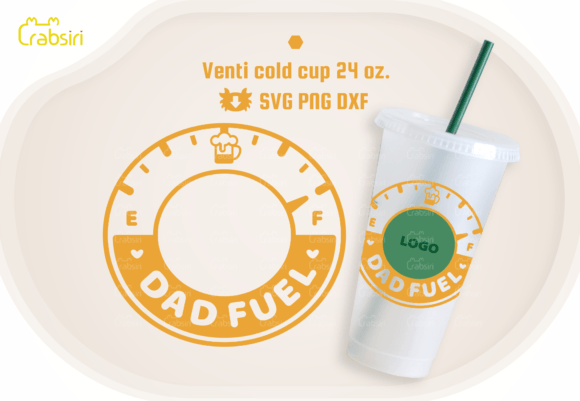
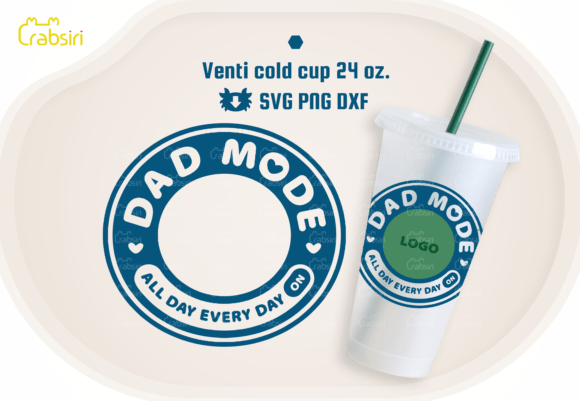
Opening the zip folder for Dad Mode 24oz Cold Cup, I immediately noticed how cleanly the files were organized—two SVGs, two PNGs, and one DXF. No fluff, no redundant layers. As a designer who’s tested hundreds of embroidery files for real production, that kind of clarity signals intentionality. The design itself lands with warm familiarity: bold, rounded lettering spelling “DAD MODE” with a subtle coffee cup icon tucked into the “O.” It’s not trying to be clever—it’s confident in its vibe. Think weekend dad energy: relaxed but capable, humorous but never forced. Visually, it leans into clean lines and balanced negative space—exactly what you want in a machine embroidery design meant for apparel or accessories.
Where This Design Truly Shines (and Where It Fits Best)
I tested Dad Mode 24oz Cold Cup as part of a small-batch holiday collection: embroidered canvas tote bags, heavyweight cotton tea towels, and unisex crewneck sweatshirts for a local gift shop pop-up. On the tote? Crisp, legible, and full of charm—even at 4.5 inches wide. On the tea towel, the pre-sized wrap translated beautifully across the fabric’s natural texture; the satin stitch held definition without puckering. And on the sweatshirt? It read instantly from six feet away, thanks to smart letter spacing and generous stroke weight.
This isn’t just a cold cup wrap—it’s a versatile embroidery file that adapts well to custom apparel, embroidered patches, aprons, pillow covers, and even baby onesies (scaled down thoughtfully). For Etsy sellers and craft business owners, it slots neatly into Father’s Day bundles, new-dad welcome kits, or boutique-branded merchandise. Its tone bridges humor and sincerity—making it ideal for personalized gifts where warmth matters more than polish.
Real-World Embroidery Considerations You Can’t Skip
Before stitching Dad Mode 24oz Cold Cup on your next project, here’s what I learned the hard way:
- Hoop size matters: The design is pre-sized for the Venti Cold Cup, but that doesn’t mean it auto-fits every hoop. Check your machine’s max embroidery area before loading—especially if you’re planning to add it to curved surfaces like caps or mugs with wraps.
- Fabric texture changes everything: On smooth cotton twill? Gorgeous. On terry cloth or heavily textured linen? The fill stitch can blur edges. Use medium-weight cutaway stabilizer for best results—and always test on scrap first.
- Thread color contrast is non-negotiable: The design relies on shape and silhouette, not fine detail. Avoid low-contrast combos (e.g., light gray thread on heather grey fabric) unless you’re going for intentional subtlety.
- Dark fabric demands attention: The PNG previews look sharp on white, but on navy or charcoal, small interior details may vanish. Run a black-and-white mockup to verify readability.
- Wash durability starts with stitch density: This isn’t an ultra-dense applique design—it uses balanced fill and satin stitch. That’s great for softness and drape, but double-check stitch count if you plan frequent laundering (think baby items or kitchen towels).
What This Design Says About Your Brand—Without Saying a Word
When customers see Dad Mode 24oz Cold Cup stitched onto a handmade product, they’re not just reading text—they’re sensing intention. Is this playful? Yes. But it’s also precise, well-proportioned, and commercially viable. That builds trust. For Etsy sellers listing digital embroidery files, including this in your shop says you curate for usability—not just aesthetics. For small shop owners embroidering ready-to-ship merchandise, it adds personality without sacrificing professionalism. And for craft fair vendors? It’s a conversation starter that converts browsers into buyers.
It also supports brand consistency: whether you’re using it on a patch, a sweatshirt, or a printable mockup for social media, the core visual language holds. No awkward scaling, no lost clarity, no “I wish this had more breathing room.” That reliability makes it a strong candidate for repeat use across seasons and product lines.
Practical Designer Notes Before You Stitch
Here’s my checklist—refined over years of commercial embroidery work:
- Test Dad Mode 24oz Cold Cup on scrap fabric matching your final project’s weight and stretch.
- Review stitch density in your embroidery software—look for tight clusters that might cause thread breaks or fabric distortion.
- Confirm licensing terms before selling finished products or reselling the digital embroidery file. (The listing mentions Crafts and Graphics—but verify scope.)
- Compare how it renders on light vs. dark backgrounds using simple grayscale mockups.
- Inspect small corners and interior curves—especially around the cup icon—to ensure no under-stitching or jump stitches compromise the clean look.
- If using for layered garments (like hoodies), check clearance between design and pocket or seam lines.
- For baby embroidery or holiday embroidery projects, prioritize soft thread and lightweight stabilizer to maintain comfort.
A Final Thought: Design That Works Harder Than You Do
Dad Mode 24oz Cold Cup isn’t flashy—but it’s thoughtful. It respects the limits of thread, fabric, and machine. It understands that a great embroidery file isn’t just about looking good in a preview—it’s about holding up through cutting, hooping, stitching, washing, gifting, and wearing. Whether you’re a seasoned apparel decorator building a custom line or a hobbyist stitching your first Father’s Day gift, this design gives you room to focus on craftsmanship—not firefighting file issues. That’s rare. And honestly? That’s why it earned a permanent spot in my go-to folder for commercial embroidery and craft business projects.